Unified Commerce Data Across Channels and Systems
DS Stream connects retail data across stores, e-commerce, supply chain, and customer touchpoints into unified, governed data products. We enable retailers to operate on a single source of truth — powering personalization, demand planning, and operational analytics.
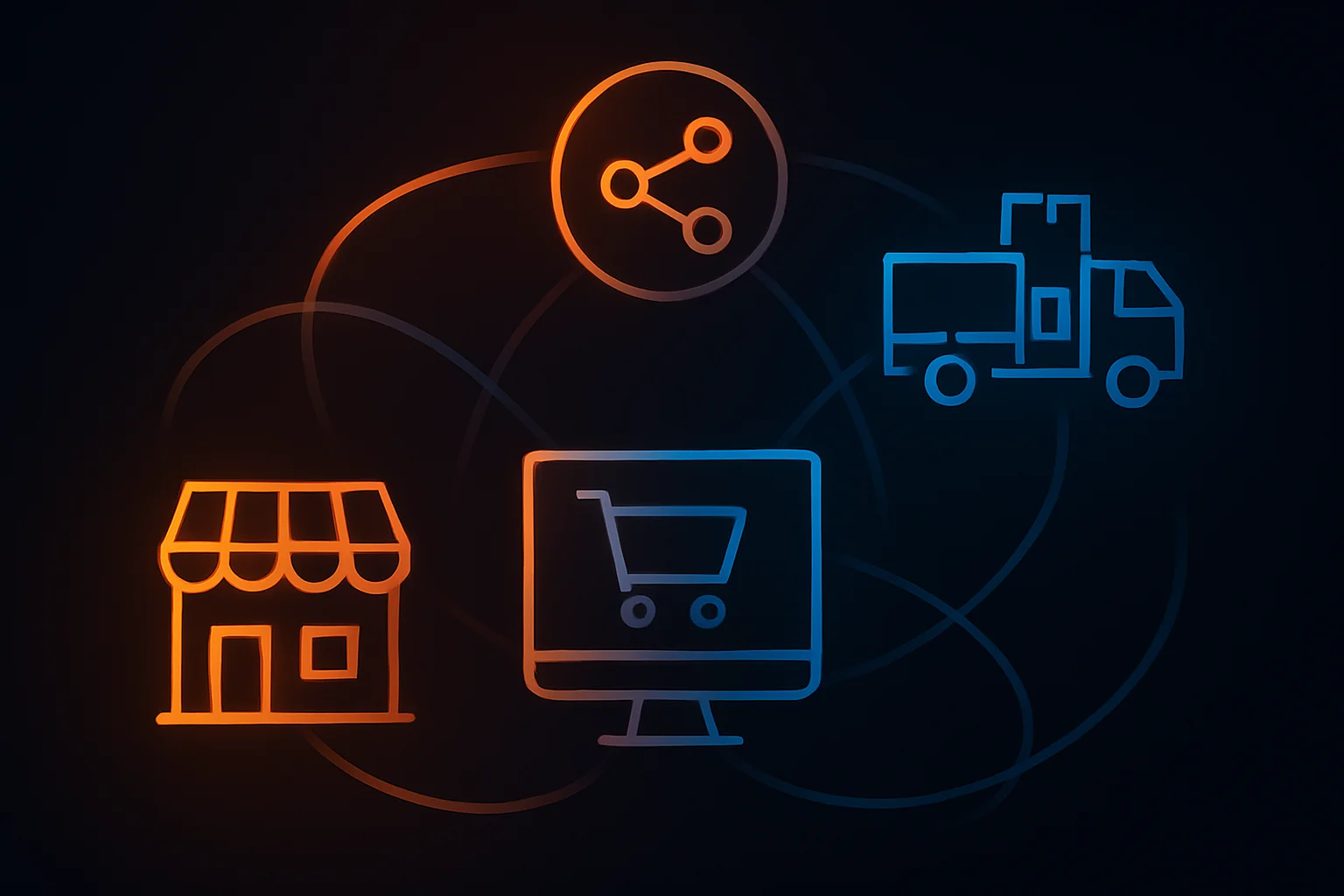
Unified retail data across stores, e-commerce, and supply chain
Integrate retail data silos into governed data products powering personalization, demand planning, and omnichannel analytics.

Why Retail Data Silos Block Omnichannel Excellence
Store POS, e-commerce, supply chain, and customer systems each speak their own language. Inconsistent data prevents true omnichannel personalization, accurate demand planning, and unified customer experiences across channels.
Retail Data Integration Capabilities
Unified customer profile across store, web, mobile, and marketing touchpoints.
Real-time inventory visibility across stores, warehouses, and suppliers.
Centralized pricing engine and promotion tracking across all channels.
Customer loyalty data integrated with marketing automation and personalization.
Real-time demand signals from all channels feeding forecasting and replenishment.
How We Build Your Retail Data Integration Practice
Map retail data sources, business decisions, and integration priorities.
Build core integrations for customer, inventory, and product master data.
Power personalization, planning, and operational use cases on unified data.
Business Impact
3–5% revenue lift through unified omnichannel personalization.
15–25% inventory reduction through real-time cross-channel visibility.
Single customer view eliminating duplicate marketing and inconsistent experiences.
Who This Is For
Use Cases for Retail Data Integration
We deliver Retail Data Integration engagements across industries with deep vertical expertise.
Most Common Questions About Retail Data Integration
SAP, Oracle Retail, Salesforce Commerce, Shopify, Magento, custom POS, WMS, OMS — and their cloud equivalents.
Both — real-time for operational decisions (inventory, fraud) and batch for analytics where freshness allows.
Most retail integration projects target cloud (AWS/GCP/Azure) with hybrid patterns for legacy in-store systems.
Automated quality checks at every integration point with stakeholder alerting and SLA monitoring.
Ready to Modernize Your Retail Data Integration Practice?
Book a free 30-minute review. We will assess current state, identify wins, and outline a path to production-grade delivery.
Data Mapping
3-week mapping of retail data landscape with prioritized integration backlog.
Core Integrations
Build customer, inventory, and product integrations in 12 weeks.
Use Case Activation
Power first business use cases (personalization, planning) on unified data.